Through a series of example sentences with gross profit in a sentence the word “gross,” we will illustrate its flexibility and diverse applications in everyday language. Gross profit margin, calculated as gross profit divided by total revenue, plays a critical role in financial analysis. It provides a percentage that illustrates the portion of each dollar of revenue that remains after accounting for the cost of goods sold. Analysts use this margin to compare a company’s operational efficiency over time or against its competitors. A higher gross profit margin indicates better efficiency and profitability potential, making it a vital metric for investors and management decision-making. In conclusion, the key to success in business lies in maximizing profit.

Learn To Use Gross Profit In A Sentence With These Examples
The company reported a record adjusted gross profit margin of 13.7% for the year and $1.3 billion https://solidcar.pl/statutory-reporting-possible-solutions-for-the/ in cash and liquidity. In the second quarter of fiscal 2023, Micron’s sales declined by 53% from the year before and gross profit margin went deeply negative. Remember to use profit in a context that accurately represents financial gain or benefit. By incorporating this word effectively, you can communicate the idea of making money, gaining advantage, or benefiting from a transaction or endeavor. As you become more familiar with profit and its usage, you’ll be able to incorporate it naturally and effectively into your writing and conversations. This $400,000 represents the gross profit ABC Apparel has earned over the financial year from its primary business operations.
- Understanding profit involves monitoring incoming revenues and outgoing costs to ensure that a business is not only sustainable but also flourishing.
- Gross profit might suggest strong performance, but companies must also consider “below the line” costs when analyzing profitability.
- As you become more familiar with profit and its usage, you’ll be able to incorporate it naturally and effectively into your writing and conversations.
- Removing the “noise” of administrative or operating costs allows a company to think strategically about product performance and to implement cost control strategies more effectively.
- According to a recent New York University report, the average profit margin is Financial Forecasting For Startups 7.71% across different industries.
- By carefully analyzing earnings and expenses, businesses can identify opportunities to increase their profit margins.
Use the citation below to add these synonyms to your bibliography:
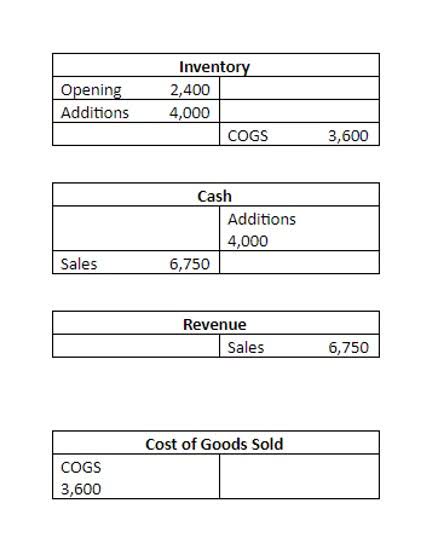
While the promised gains from AI might be realized over decades, investors are losing patience with high-growth AI stocks that haven’t yet proved they can produce a net profit. (accounting) The difference between net sales and the cost of goods sold. Rather than working off a percentage of gross salary, I’ve been using our take-home pay as a baseline, since that reflects what we actually spend now. Now that you have a better grasp on how to use Gross Profit effectively, go forth and conquer the financial world! Remember, practice makes perfect, so don’t be discouraged if it takes some time to master this concept.

As per Request or As per Requested: Understanding the Correct Usage
Profit-driven decision-making is crucial for maintaining a healthy financial bottom line and ensuring a strong and stable future for any business. Through these examples, it becomes evident that “gross” can convey a range of meanings depending on the context in which it is employed. From financial terminology to expressing disgust, the word can be adapted to suit a variety of situations. By understanding the nuances of this word and exploring its diverse applications, one can enhance their vocabulary and effectively communicate in various settings. Wage growth has been similar to that expected sales growth, but with costs such as depreciation not changing much and interest expense probably dropping, net profit margins can rise.
- Trivariate Research’s Adam Parker emphasizes gross profit margins as a key indicator for stock valuation and future performance.
- A portion of fixed costs is assigned to each unit of production under absorption costing, which is required for external reporting under generally accepted accounting principles (GAAP).
- You can change your settings at any time, including withdrawing your consent, by using the toggles on the Cookie Policy, or by clicking on the manage consent button at the bottom of the screen.
- Essentially, it measures the efficiency of a company in managing its labor and supplies in the production process.
- The production issues announced this week could get in the way of Rivian’s goal of achieving positive gross profits by the fourth quarter of this year.
- While gross profit deducts only the cost of goods sold from total revenue, net profit accounts for all expenses, including operating expenses, interest, taxes, and other non-operating costs.
How can a company improve its gross profit margin?
- Companies often analyze gross profit to make strategic decisions, set pricing strategies, and evaluate performance over time.
- In essence, the examples of sentences involving gross profit underline its significance in evaluating a company’s financial performance and long-term sustainability.
- A higher gross profit suggests that a company is efficient at producing and selling its goods or services.
- Cost of goods sold is the allocation of expenses required to produce the good or service for sale.
- These examples will illustrate the importance of gross profit in analyzing business profitability and making informed financial decisions.
For example, analyzing gross profit can help identify areas for cost control, such as negotiating better deals with suppliers or optimizing production processes. Understanding the concept of gross profit is essential for anyone involved in business or finance. Gross profit is a fundamental metric that reflects the profitability of a company after deducting the cost of goods bookkeeping sold from its total revenue. It is a key indicator of a company’s financial health and efficiency in producing goods or services.